
Race to Richmond, part 2: Hitting meta Deep Dive + Offensive threats at the championship
The first Roundnet World Championship took place in Belgium in 2022, marking the first time players could officially compete for the title of best in the world. Four years later, with the North American Championships ahead and 2026 Worlds behind us, the product we are left with now is drastically different to then. The prestige we’ve placed on being the world’s best has led to the player base taking on an endless pursuit of the “meta”. This pursuit consists of various trial and error, mastering the ability to execute on exploitable mechanics repeatedly, and applying the skills in pressure competition. This process allows players to constantly calculate what works and what doesn’t. As a result, roundnet has evolved at a rate higher than you'll see in virtually any traditional sport. There is always a new mechanic to discover, a new weakness to exploit, and a new “best way” to do things. In a sport where progression is so prominent, stagnation can quickly equal falling behind. As the world's best prepare to compete this Saturday, we’ll look at how the execution of hitting has changed, and who you should look out for this weekend to see the new skills in action.
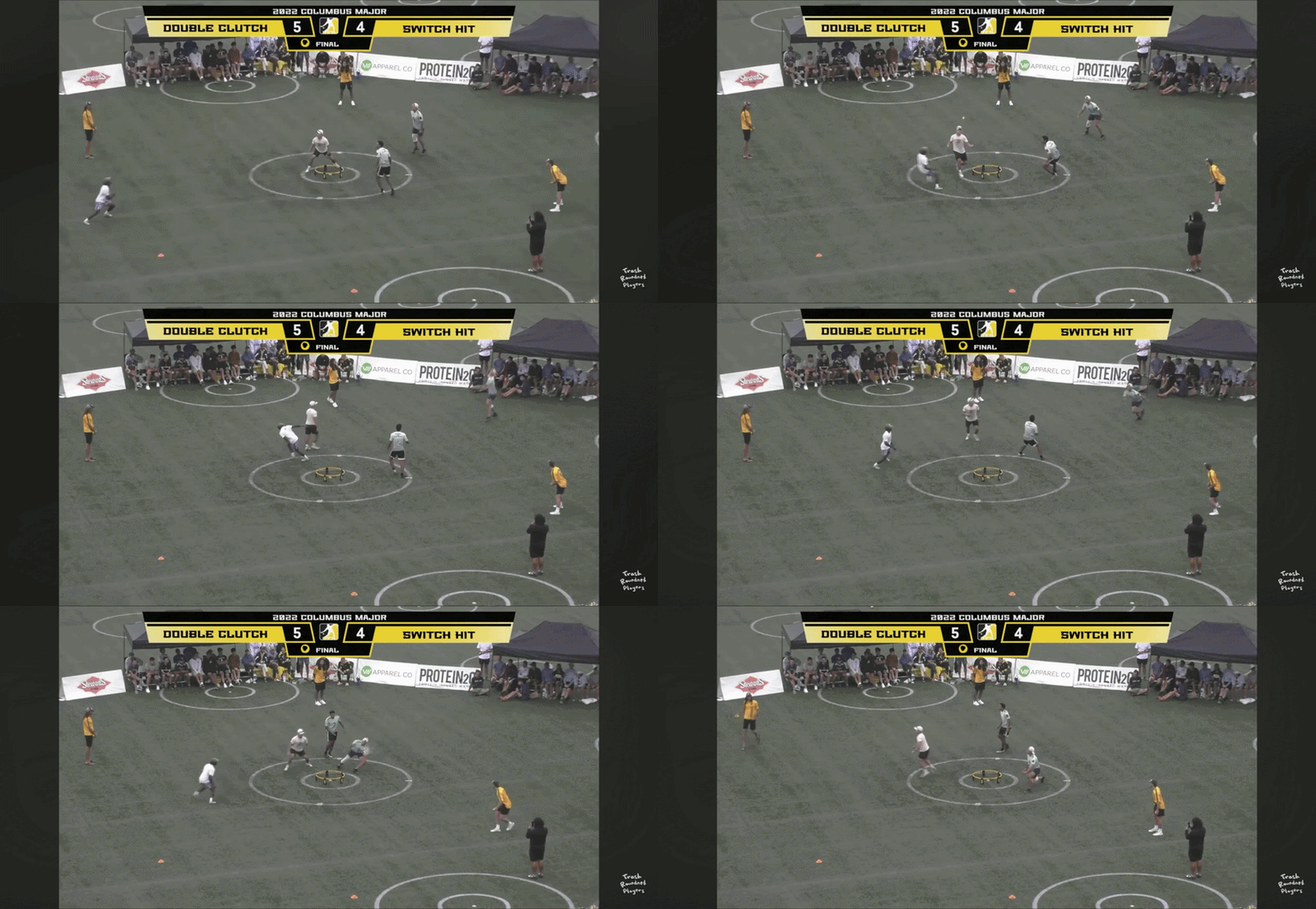
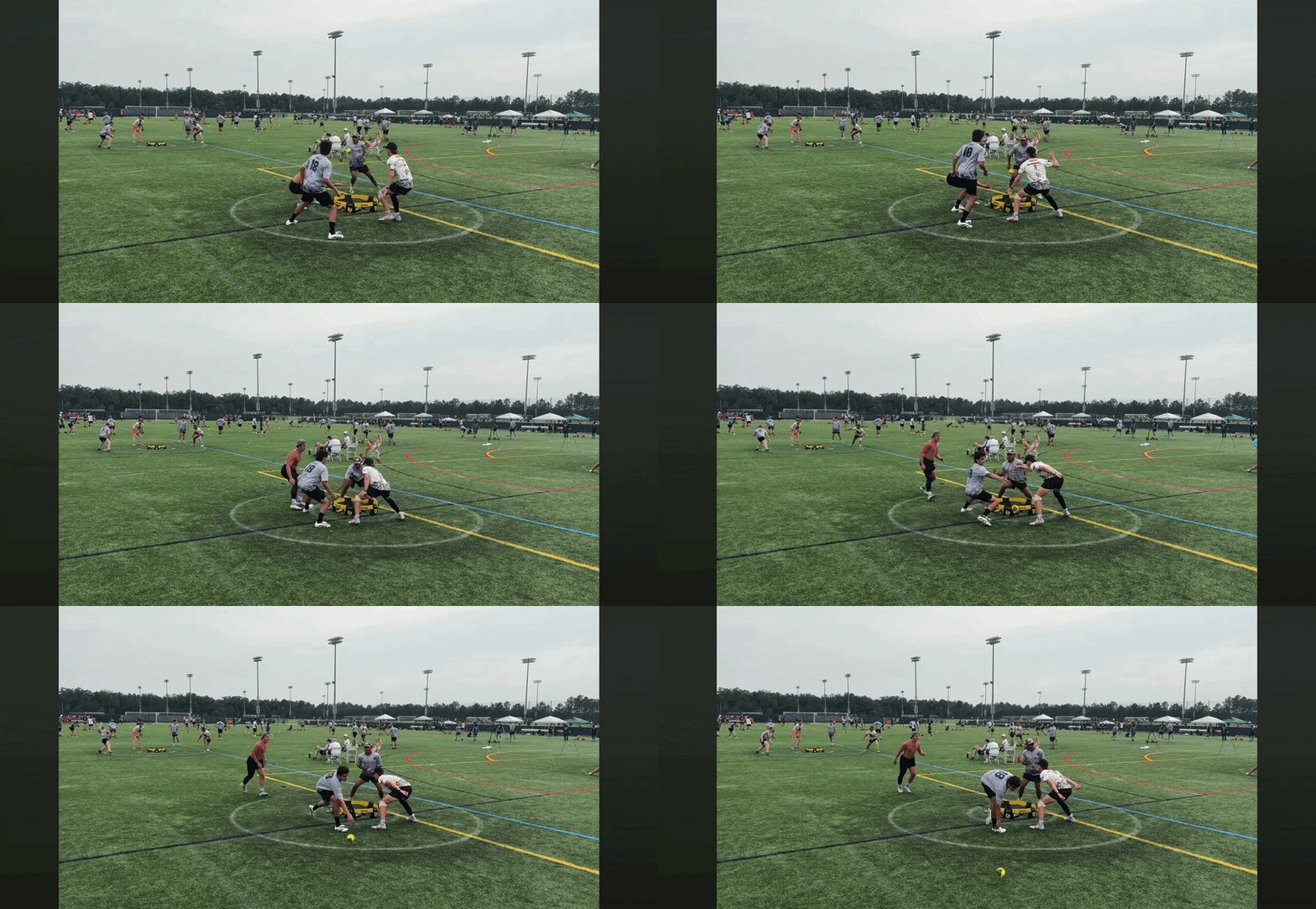
Before the boundary, hitting mechanics were relatively simple and could be learned in a short period of time. The premise was straightforward: set the ball to the middle of the net to give the hitter as many options as possible, then hit as hard and as far as possible to wherever the defense wasn't. The ability to hit virtually anywhere, so long as you stayed out of the no-hit zone (NHZ), made defense an incredibly difficult task. You could argue that the ease of hitting allowed it to remain a relatively straightforward skill because it took so little to be successful. Once the boundary was introduced, and sending the ball to Narnia was effectively vaulted, players had to get creative with their technique. The one major advantage they still possess is the ability to hit at any angle. As the meta shifted from prioritizing power to prioritizing tight angles, hitting mechanics had no choice but to modernize. This is where the flick really took off. Instead of a conventional hit where a player generates a ton of power through hip recruitment and torque, players are primarily using their wrist at unorthodox angles to attempt shots that didn’t previously exist. Although shots resembling flicks have existed for a long time, they were typically suboptimal to hitting the ball as hard as you could. Therefore, they never became truly widespread until the legal hitting distance was shortened by boundary. You’ll see this shot executed in the form of push, pull, and anything in between; certain hitters have shot angles they go to more or less than others. Shown below is a pre boundary hitting exchange, followed by a pull flick mechanic known as the “flipper” where using their wrist, a player can unlock hitting angles behind them in a way we haven’t seen before. Also notice the amount of shots Dan Abrams has at his disposal when performing the flick push. The inherent flexibility of the wrist tells me this is just the beginning for hits if all rules and equipment stay the same.
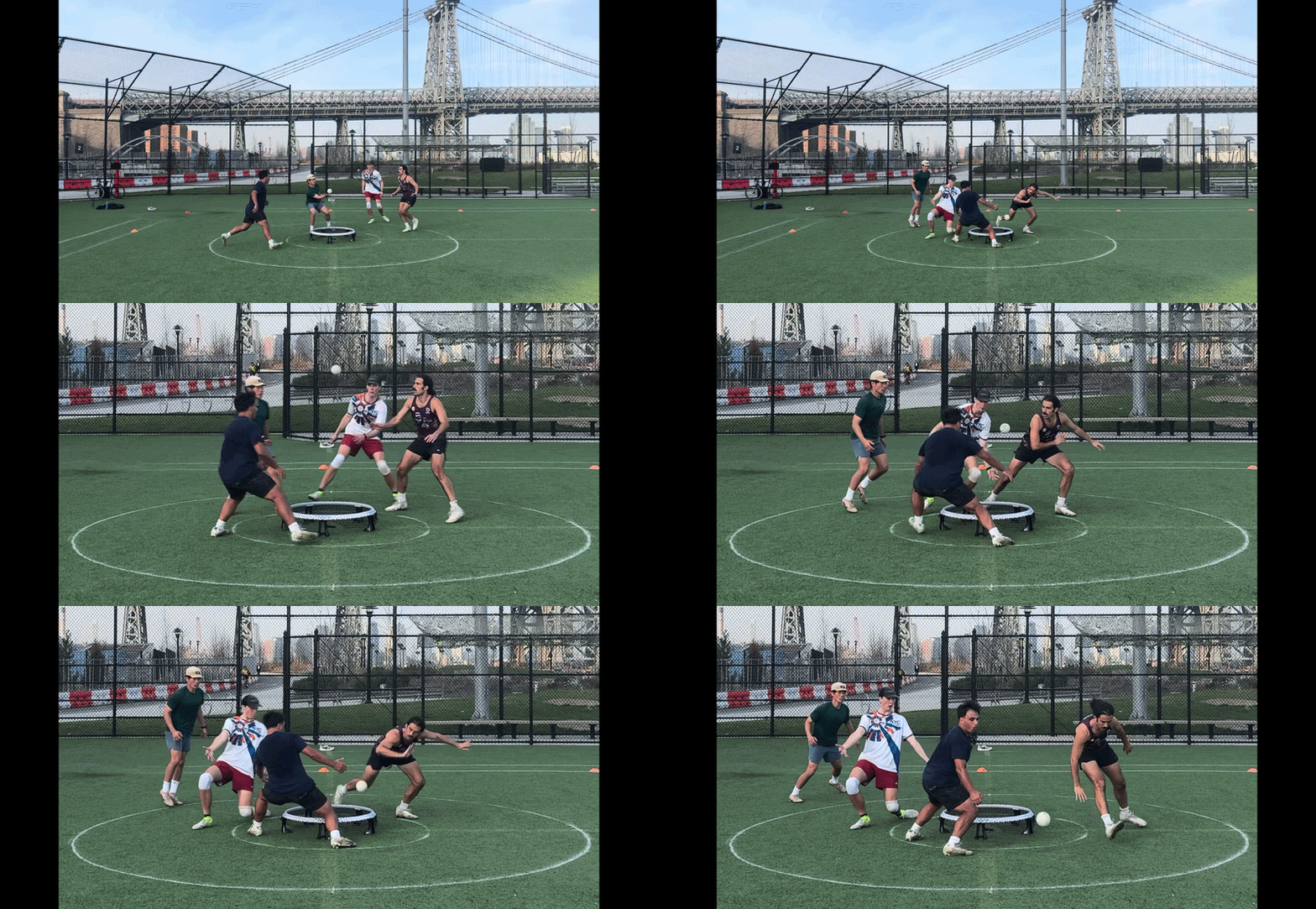
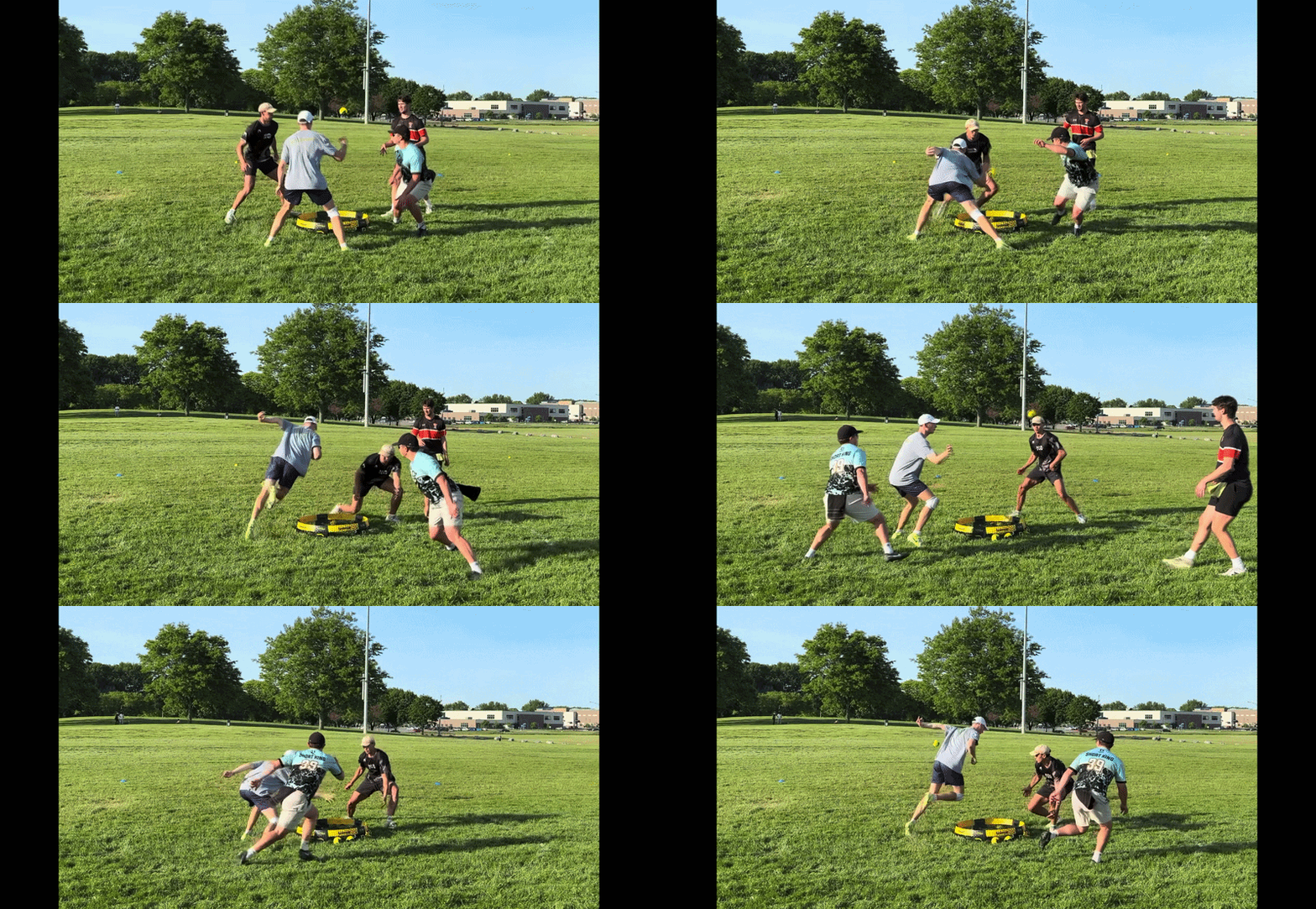
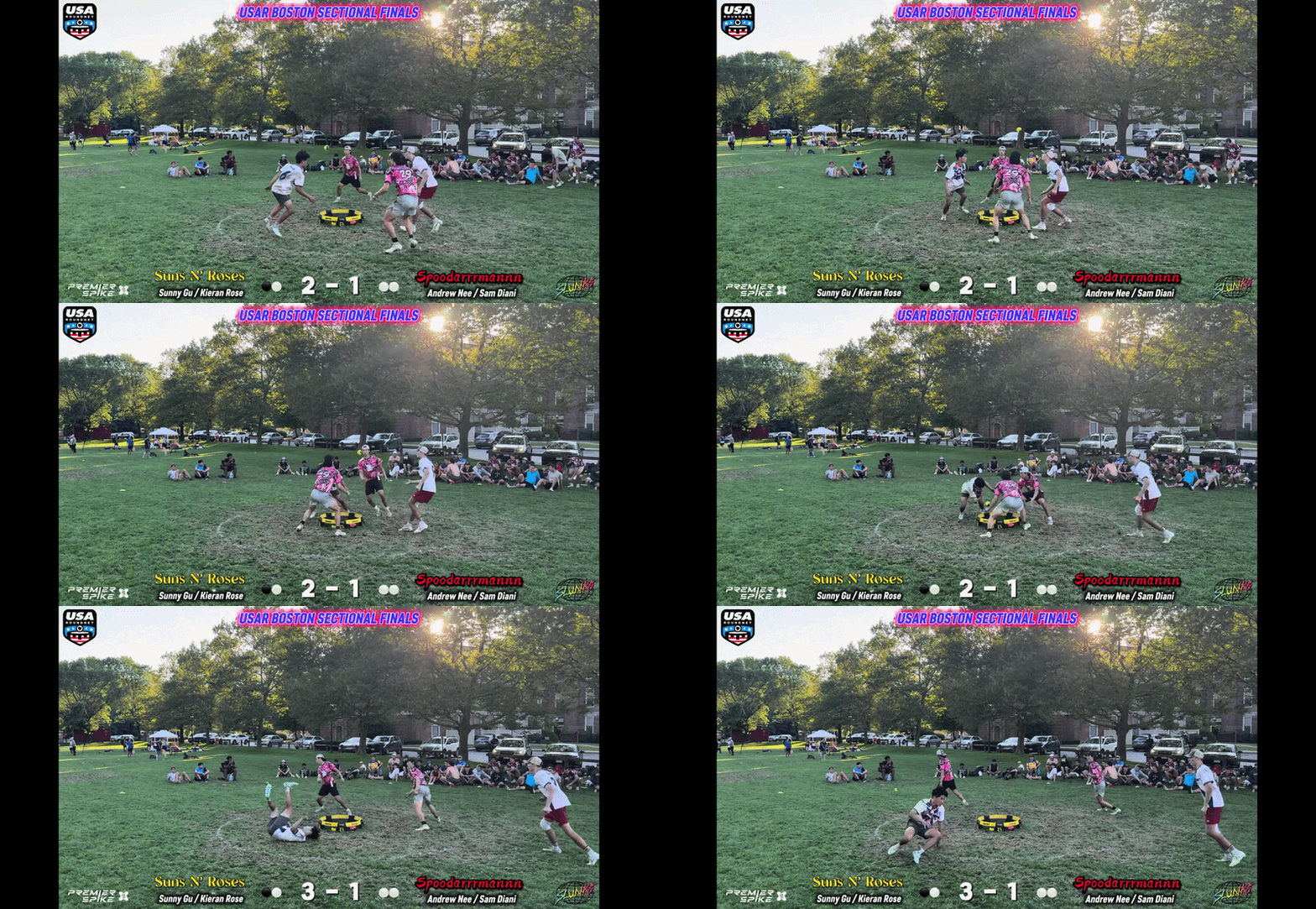
Along with the mechanics of the hit itself changing, players have gotten creative with how they earn real estate around the NHZ prior to contact. The most widespread form of creating space for difficult shots is the step through. This advanced mechanic allows hitters to wait on the set for low trajectory hits, as well as open up angles that wouldn’t be available had they not moved their feet late into the hitting motion. This time and space is commonly used to deceive the defense. Showing body language for one hit and then taking another is a frequent strategy performed with step through footwork. Less widespread but equally overpowered is the way certain players will claim a last minute position change based on their read of the defense. This is most effectively performed when the hitter can get to the NHZ early. Being able to identify multiple pieces of the point in real time, for an extended duration, can put you in situations where a clean hit is inevitable. Below is an example of Kieran Rose using deception during his step through to earn high percentage hitting angles, and Sunny Gu using his time at the NHZ to shuffle in and move the defender away from his signature diving pull. Time and real estate are the ultimate currency when hitting, and when talented players have both in abundance, the outcome only goes one way.
It should come as no surprise that Fever’s Connor Nelson, the player to beat this season, provides you the best look at mechanically sound hitting. Nelson’s hold rate is so high because of how deep his hitting bag is. There’s no type of shot he’s incapable of executing, so defending him is a nuanced challenge. You’ll often hear the defensive team openly discussing what tendencies the hitter likes in preparation for them, but defending the likes of Connor is not this simple. Pay close attention this weekend to how he maintains some bounce in his feet before the set comes in. This allows him to make whatever adjustment is needed much more easily than if he got to the NHZ and planted his feet down. Step throughs, dives, push shots out of a jammy set, all of it is comfortable for Connor thanks to precise footwork. That, combined with extensive repetition of all shot types outside of competition, make getting a touch on him a tall task for even the best defenders.
A fun player to watch hit on the women’s side is Tess Dolan. After watching her play, you cannot say height is a limiting factor! If diving and athleticism excite you, watch Tess. She too is conscious of remaining in an athletic position throughout the entirety of execution. For Tess, however, leaving her feet and diving is where she gets her hitting angles from. It’s quite overpowered to be able to take hits on from the opposite side of the NHZ you started on due to the impressive hang time. On defense but also when hitting, keep an eye on Tess for the modern day acrobatic archetype that’s so fun to watch in 2026. A lesser known name for sure, but Charlotte Jones, pairing up with Ally Kula in women’s pro this weekend, has developed her hitting bag to an impressive level. Also showing no fear for an acrobatic dive, Charlotte’s pull range is among the best in the women’s game. If she can get ahead of the chess match that comes with identifying tendencies, expect the occasional flick push to work in tandem with the impressive finds she’ll have when pulling.
I hope this post provided you with a better look at how the top players play! Anytime a big tournament is taking place, it can provide a phenomenal learning opportunity for skills to adapt in your own game. So as you get hooked on the drama and competitive implications going down this weekend, keep an eye on the impressive hitting mechanics our pros have mastered, and learn to love the pursuit of pushing the limits! Tomorrow, we’ll look more into marquee matchups for Saturday, and take a deep dive into the exciting Friday night play-ins happening for open. NATS is sponsored by Spikeball.
Film credit:
https://www.youtube.com/@SpikeballRoundnetAssociation
https://www.youtube.com/@Summerspikes
https://www.youtube.com/@kieranroseroundnet
